admin
admin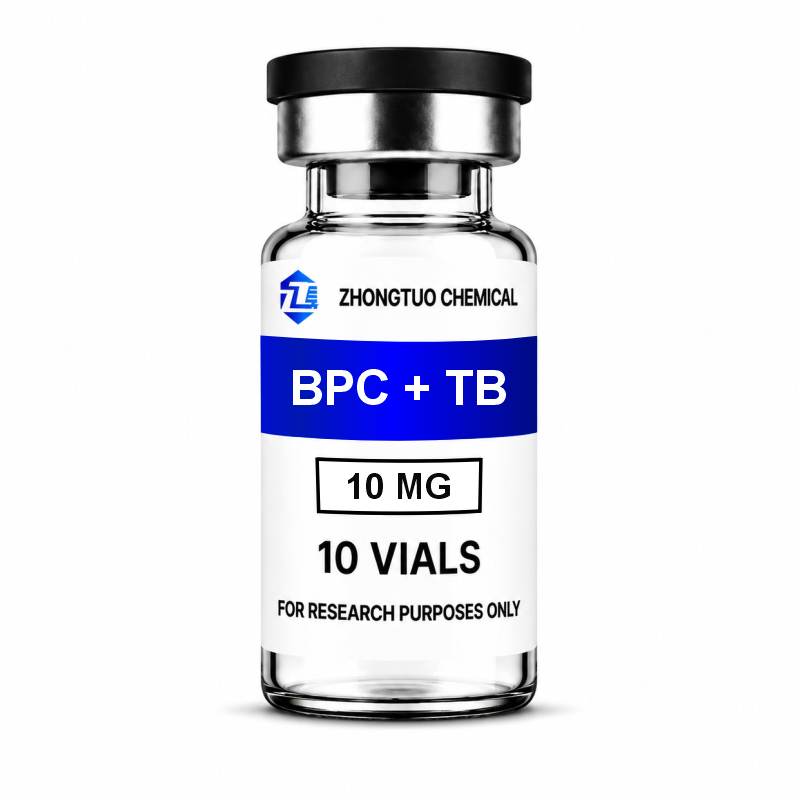
Cell migration is a fundamental biological process involved in tissue development, wound healing, immune responses, and various pathological conditions. Understanding the molecular mechanisms that regulate cell migration is therefore an important goal across multiple fields of biomedical research.
TB-500 peptide, a Thymosin beta4-related research compound, has become an important tool for scientists studying cell migration mechanisms. Its association with actin-binding pathways that regulate cytoskeletal dynamics places it at the center of current cell migration research.
Thymosin Beta4 and Cell Migration Mechanisms
Thymosin beta4 is a small, ubiquitously expressed protein that sequesters actin monomers and thereby regulates the availability of actin for polymerization into filaments. By modulating actin dynamics, Thymosin beta4 and related compounds influence the lamellipodial and filopodial extensions that drive cell movement.
Research using tb-500 peptide in cell culture systems has provided important insights into how Thymosin beta4 pathway activity influences migration speed, directionality, and the cellular responses to migration-promoting signals. These studies contribute to a broader understanding of how cells coordinate movement in response to tissue repair cues.
Cell Migration Assays for TB-500 Research
Researchers typically use several established assay formats to study the effects of TB peptides on cell migration:
- Scratch wound assays measuring closure rate of a defined gap in a cell monolayer
- Boyden chamber transwell assays measuring directed cell movement across a membrane
- Live-cell imaging approaches tracking individual cell movement over time
- Single-cell tracking assays quantifying migration speed and directionality
- 3D migration assays in collagen or fibrin matrices mimicking tissue environments
Each of these formats provides different information about how bpc-157 peptide and TB peptide effects interact in the context of tissue repair.
Angiogenesis Research With TB-500
Beyond cell migration, tb-500 peptide is also studied in the context of angiogenesis, the formation of new blood vessels from existing vasculature. Thymosin beta4 has been shown in research studies to promote endothelial cell migration and tube formation in vitro, processes that model key steps in angiogenic responses.
In vitro angiogenesis assays, such as endothelial tube formation on basement membrane extract, provide a practical platform for investigating how TB compounds influence angiogenic processes. The combined bpc 157 tb 500 blend from Zlzpeptides is specifically designed to enable studies of synergistic angiogenic and regenerative mechanisms.
Cytoskeletal Remodeling as a Research Focus
The cytoskeleton is the dynamic framework of protein filaments that gives cells their shape and drives cellular movement. In the context of tissue repair, cytoskeletal remodeling is essential for the reorganization of cells as they respond to damage and initiate repair processes.
TB compounds influence cytoskeletal dynamics through actin-sequestering activity, making them useful tools for studying how cytoskeletal remodeling contributes to migration and repair. Research in this area has implications for understanding how tissue repair goes wrong in various disease conditions.
The Scientific Value of BPC and TB Combination Studies
One of the most interesting aspects of the BB10 formulation from Zlzpeptides is that it enables research into how BPC and TB pathway activities interact. BPC compounds influence angiogenic pathway activity through mechanisms related to mucosal repair signaling, while TB compounds affect angiogenesis through direct effects on endothelial cell migration.
Studying these mechanisms together in the same experimental system allows researchers to investigate whether the two pathways act independently, additively, or synergistically in promoting regenerative responses. This kind of mechanistic insight is difficult to obtain from single-compound studies alone.
Production Standards for TB and BPC Research Compounds
The Zlzpeptides BB10 formulation is produced to the same rigorous standards as their other research peptides. The combined BPC and TB preparation is supplied as a sterile lyophilized formulation with batch-specific Certificate of Analysis documentation. This ensures researchers can verify compound quality before incorporating the blend into their experimental systems.
Their commitment to delivering top-quality peptides extends equally to combination formulations, reflecting their understanding that research integrity requires consistent, documented quality across all products.
Conclusion
TB-500 peptide is a valuable research tool for scientists studying cell migration, angiogenesis, and cytoskeletal remodeling. Its specific association with Thymosin beta4 pathway activity makes it ideal for mechanistic studies of these processes in cell culture and in vitro model systems. Combined with BPC peptides in the BB10 formulation from Zlzpeptides, it enables synergistic research into the coordinated mechanisms of tissue repair and regenerative biology.


 Julianna Reed