Julianna Reed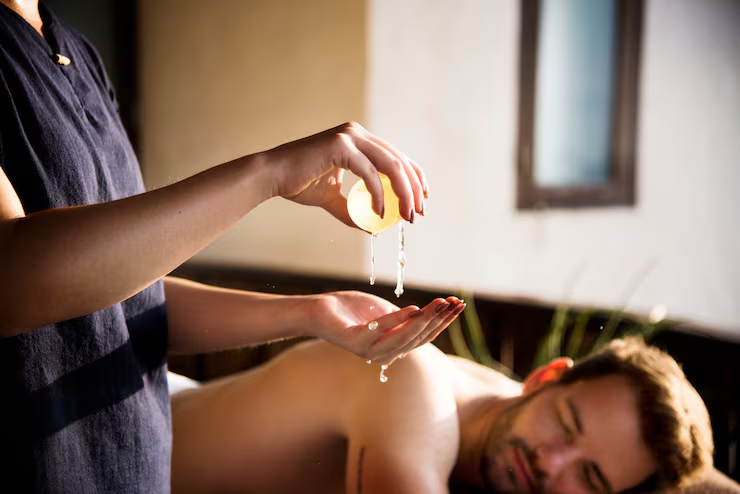
QUICK ANSWER
Panchakarma is Ayurveda’s primary therapeutic detoxification system, consisting of five classical procedures: Vamana, Virechana, Basti, Nasya, and Raktamokshana. Its documented benefits include removal of accumulated ama (metabolic toxins), restoration of dosha balance, improved digestive function, enhanced immunity, and significant clinical outcomes in musculoskeletal, neurological, and metabolic conditions. The full benefits require a minimum of 14 days of supervised residential treatment in a Kerala ayurvedic treatment setting.
Most people arrive expecting an oil massage and leave surprised by what actually happened to their sleep, their digestion, and their pain levels. Panchakarma is not what its marketing usually describes.
The word panchakarma translates directly to ‘five actions.’ It refers to five classical elimination procedures in Ayurveda, each targeting a specific channel of toxin removal from the body. The confusion in popular understanding comes from two sources: Ayurvedic spas that use the word to describe general massage packages, and wellness tourists who do one or two treatments and conclude they’ve experienced the system. Neither of those things is panchakarma.
Here’s what the actual protocol involves, what the benefits are in clinical terms, and why a Kerala ayurvedic treatment environment produces outcomes that can’t be replicated elsewhere.
The Five Procedures and What Each One Does
Vamana: Therapeutic Emesis for Kapha Disorders
Vamana is medically supervised vomiting, induced with specific herbal preparations after a period of oleation (internal and external oil application) and fomentation. It targets accumulated Kapha dosha, particularly in the respiratory tract, stomach, and chest. Conditions that respond well to Vamana include bronchial asthma, chronic rhinitis, obesity with Kapha constitution, and certain types of skin disorders including psoriasis. The pre-procedure oleation phase is not optional. Internal ghee consumption over several days saturates the tissues and mobilises deep-seated toxins into the alimentary canal before elimination.
Virechana: Therapeutic Purgation for Pitta Disorders
Virechana is medically induced purgation using classical formulations that include castor oil, senna, or compound preparations like Avipattikar churna, depending on the individual’s constitution. It clears the small intestine and liver of accumulated Pitta and is particularly indicated for skin conditions, liver disorders, inflammatory joint diseases, and peptic complaints. Virechana follows the same oleation and fomentation preparation as Vamana and must be completed when the patient’s digestive strength (agni) is at an appropriate level.
Basti: The Most Important of the Five
Basti is medicated enema therapy and is considered by classical texts including the Charaka Samhita to be the most powerful of the five karmas. It directly addresses Vata dosha and is effective for conditions rooted in Vata imbalance: lower back pain, sciatica, constipation, arthritis, neurological degeneration, and reproductive disorders. Two categories exist: anuvasana basti (oil-based) and niruha basti (decoction-based). A treatment course typically alternates between both types over 8 to 30 sessions, depending on the condition.
The colorectal absorption mechanism is well documented in conventional pharmacology. Medicated oils introduced through Basti reach systemic circulation through the colonic mucosa. The herbs used include dashamoola (ten-root formula), bala, ashwagandha, and shatavari, each selected based on the specific dosha disturbance being addressed.
Nasya: Nasal Administration for Head and Neck Conditions
Nasya involves administering medicated oils or herbal preparations through the nasal passages. The nasal route provides direct access to the sinuses, cranial nerves, and structures adjacent to the brainstem. It is indicated for migraine, sinusitis, facial palsy, trigeminal neuralgia, hair loss with a scalp component, and certain neurological conditions affecting the head and neck. Anu taila is the classical preparation most commonly used for Nasya, though specific conditions call for different formulations.
Raktamokshana: Blood Purification
Raktamokshana is the fifth karma, involving therapeutic bloodletting through leeches (jalaukavacharana) or venipuncture. It directly addresses vitiated Rakta (blood tissue) and is most applicable in skin conditions including eczema, psoriasis, urticaria, and certain joint conditions with localised inflammation. Leech therapy in particular has well-documented anti-inflammatory effects: leech saliva contains hirudin (a thrombin inhibitor), hyaluronidase, and destabilase, compounds that reduce localised inflammation and improve tissue perfusion.
The Benefits of Panchakarma That Aren’t in the Brochures
The expected benefits are the ones that get listed on every Ayurvedic centre’s website: detoxification, stress relief, weight reduction, improved immunity. Those benefits are real. But they’re not the ones that bring people back or make them tell friends to go.
The first unexpected benefit is neurological reset. Patients who complete a full Panchakarma protocol consistently report changes in sleep architecture, specifically the return of deep, uninterrupted sleep that had been absent for years. The mechanism appears to be the reduction of Vata aggravation in the nervous system through oleation, Basti therapy, and dietary management. Clinicians at serious Kerala ayurvedic treatment centres see this across conditions.
The second unexpected benefit is the shift in taste perception and appetite. After Virechana or a full Panchakarma course, patients report that processed foods taste wrong and that they’re drawn toward simpler, lighter meals without any conscious effort to change their diet. This is attributed to the reset of agni, the digestive fire, which Ayurveda identifies as the central regulatory function for all metabolic processes.
The third is joint mobility changes that patients with chronic inflammatory conditions don’t expect from a detox protocol. The reason this happens is that the classic benefits of panchakarma include the softening and removal of ama deposited in the joint spaces, which is a distinct mechanism from the anti-inflammatory approach of conventional rheumatology.
Why Kerala Is the Reference Standard for Panchakarma
Panchakarma is practiced across India, but the Kerala variant, Keraliya Panchakarma, uses additional preparatory and post-procedure therapies not described in the Charaka Samhita. Abhyanga (synchronised two-person oil massage), Shirodhara (continuous oil stream to the forehead), Pizhichil (oil bath therapy), Njavarakizhi (medicated rice bolus massage), and Kizhi (herbal poultice application) are Kerala-specific contributions to the classical protocol.
The physiological rationale for these additions is the enhanced oleation and sudation they produce before the main elimination procedures. Kerala’s humid climate accelerates sudation (sweating), which in turn opens the srotamsi (channels) through which ama exits the tissues. The combination of climate, herbal availability, and lineage-transmitted technique is why results from a Kerala ayurvedic treatment programme are consistently documented as superior to the same procedures performed in drier, cooler climates.
Who Should and Shouldn’t Do Panchakarma
Panchakarma is not a wellness holiday for everyone. Contraindications include active fever, acute infection, pregnancy, extreme weakness or emaciation, very young children, and elderly patients above a certain level of debility. A classical Panchakarma course should never begin without a physician conducting a full initial assessment.
The best candidates are adults in generally stable health who carry a significant chronic condition that hasn’t responded to conventional treatment, or those who have completed conventional treatment and want to restore systemic function. Conditions with the strongest documented response to Panchakarma include rheumatoid arthritis, lumbar spondylosis, psoriasis, ankylosing spondylitis, irritable bowel syndrome, and Parkinson’s disease in early to mid stages.
Expecting a three-day Panchakarma to produce therapeutic results is the most common source of disappointment. The preparatory phase (purvakarma) alone takes four to seven days. A meaningful course is 14 days at minimum; 21 days for established chronic conditions.
Frequently Asked Questions
Q: What are the benefits of panchakarma for chronic conditions?
Panchakarma removes accumulated metabolic toxins (ama) from the tissues, restores dosha balance, resets digestive function, and reduces systemic inflammation. For chronic conditions like rheumatoid arthritis, lumbar pain, psoriasis, and neurological disorders, documented outcomes include significant reduction in symptom severity and, in some cases, long-term remission.
Q: How long does a panchakarma ayurvedic detox programme take?
A complete panchakarma course requires 14 to 28 days of residential treatment. The preparatory phase (oleation and fomentation) takes 4 to 7 days, the main elimination procedures take 3 to 10 days depending on the protocol, and the post-procedure recovery phase takes a further 7 days of dietary and lifestyle management.
Q: What is the difference between panchakarma and a regular ayurvedic massage?
Panchakarma is a physician-designed therapeutic elimination protocol. Regular Ayurvedic massage (abhyanga) is a preparatory or standalone therapy. Panchakarma uses internal oleation, specific herbal medicines, and medically supervised elimination procedures. A massage alone, however beneficial for relaxation, does not constitute panchakarma.
Q: Is ayurvedic detox through panchakarma safe?
Panchakarma is safe when conducted by qualified Ayurvedic physicians who assess the patient before treatment. The main risks arise from facilities that apply standard protocols without individual assessment, use commercial rather than classical formulations, or rush the preparatory phase to shorten the programme duration.
Q: Can panchakarma help with weight loss?
Panchakarma addresses the metabolic roots of weight retention in Ayurvedic terms, particularly the accumulation of ama and Kapha in the medovaha srotas (fat tissue channels). Patients completing a full course typically lose 2 to 8 kg over a 21-day programme, depending on constitution and the extent of the Kapha imbalance, but weight reduction is a secondary benefit, not the primary therapeutic goal.

 admin
admin