Julianna Reed
Tattoos can kinda mean a lot , like important memories , personal milestones , or just a creative outlet. But honestly preferences shift over time, lifestyles change, and suddenly a lot of people end up looking for more professional tattoo removal solutions. And yeah, with the big advancements in laser tech today, removing unwanted ink is generally safer, faster, and way more effective than it used to be. Modern laser systems can actually target many tattoo colors while keeping most of the stress away from the skin around the area, so tattoo removal becomes a very practical option for many individuals.
One of the leading destinations for advanced aesthetic treatments, Medical Village Dubai gives access to some of the most sophisticated laser technologies around right now. They have the largest selection of laser hair removal and tattoo removal machines in the UAE, and the clinic tends to build personalized treatment plans so patients can reach their goals safely, plus in an efficient way.
Understanding how laser tattoo removal works
Laser tattoo removal is a non surgical approach that kind of leans on super concentrated light energy, to split apart the ink particles that sit under the skin. Basically when the laser beam makes contact with the pigment, the ink soaks up that energy and then it breaks down into tiny fragments, kind of like it’s being dismantled from within.
The whole method is designed to zero-in on tattoo pigments without causing major damage to the nearby skin tissue. Also, different colors absorb different wavelengths of light, so advanced laser systems are usually set up to treat multiple ink colors properly. That’s one reason modern tattoo removal tech is much more successful than older treatment options.
Why more people are choosing tattoo removal
This decision is personal, and it can come from plenty of places. Some individuals want to remove designs that no longer match who they are, while others might need removal for work or professional reasons. Sometimes people even want tattoo removal as a setup for a fresh cover-up tattoo, or they just want a more natural skin look again.
And laser technology improvements have made people feel more confident about the whole idea. With better comfort levels, shorter recovery windows, and results that are more predictable, laser tattoo removal has grown into a popular cosmetic choice for men and women, across lots of different ages.
Benefits of modern laser tattoo removal technology
Today’s laser systems bring real advantages over older ways of removing tattoos. A huge one is that they can target the ink more precisely, which helps lower the chance of unnecessary skin damage. That precision often supports stronger fading results and it can also help healing move along quicker.
Modern treatments can also deal with a bigger variety of tattoo colors, including a few tones that used to be pretty hard to fully clear. Also a lot of people report that the sessions seem shorter, and that everything feels more comfortable through the whole thing. Because of those upgrades tattoo removal has become a more widely accepted aesthetic option that genuinely works for many individuals.
Another big shift involves tools like picosure pro, it delivers ultra-short energy pulses. Instead of only breaking ink in a broad way, it tries to shatter tattoo pigments into super tiny fragments. Then the body can clear those fractured pieces more efficiently so depending on the tattoo type, outcomes may look better.
Factors that influence tattoo removal results
A few things shape how fast and how well a tattoo fades. The age of the tattoo seems to matter quite a bit, because older work tends to lose intensity on its own a little already, so laser treatment can feel a bit simpler. Tattoo color also plays in here, dark pigments usually respond to laser energy more reliably than pale or lighter tones.
Then there is depth, plus how densely the ink is packed. A professional tattoo often has more tightly concentrated ink deposits than a casual, self done piece, so it may need extra sessions. And on top of that, personal factors matter too like skin type, the way the immune response works, and general health in general—those can steer how your body processes and removes the pigment after it gets broken down by the treatment..
Since no two tattoos are truly identical, the plan gets adjusted so the strategy matches each patient, it’s not one-size-fits-all.
What happens during a treatment session?
During a treatment session, typically it starts with a pretty thorough consult. In that part, the specialists take a close look at the tattoo, also ask about medical history and other details, then they create a bespoke approach around what the patient wants, along with how the skin behaves. From there, the actual procedure follows, each time guided by those earlier notes, so it feels more coordinated than random.
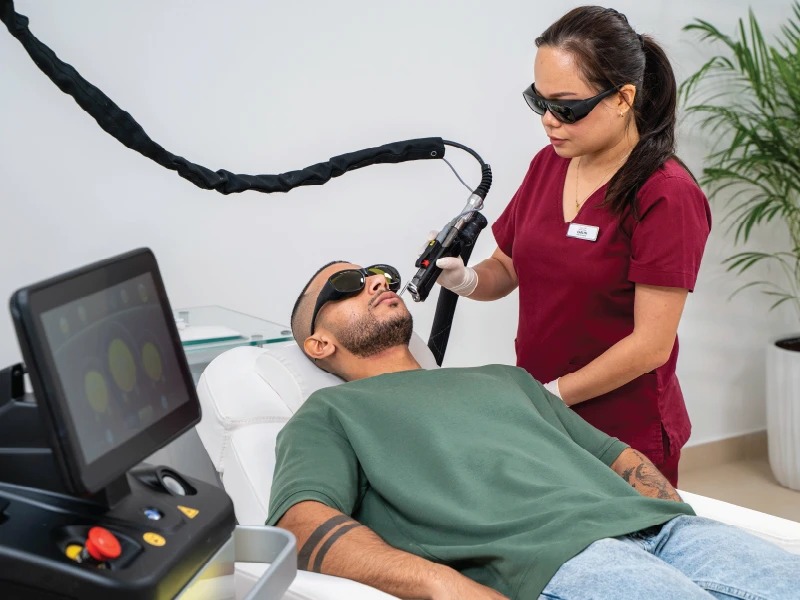
Then at the actual appointment, the area is cleaned first. After that the laser is used, with controlled energy pulses aimed at the pigment underneath the skin. Many patients say it feels like a quick snapping touch against the skin. Based on size and complexity, appointments can be just a few minutes or sometimes run longer than expected.
Afterward, patients receive aftercare guidance. This is meant to support proper healing and help maximize results.
The importance of professional expertise
Choosing an experienced clinic is , in a way one of the most important steps for success. New technology by itself isn’t enough, because specialists still have to know how to set the right laser parameters for different skin types and for different tattoo traits.
Professionals also track how things are progressing and they adjust when needed. That kind of customized method supports safety, lowers the chance of side effects, and helps improve overall outcomes. Patients also get knowledgeable help the whole way through, from the first consult, all the way to aftercare support.
Aftercare tips for better healing
Proper aftercare can end up making a big difference in how well the whole treatment actually works. Most people are basically told to keep the treated skin area clean, steer clear of direct sun exposure, and Also, drinking enough water, and keeping to a steadier day by day rhythm, can support the body’s own natural process, so it works through the scattered tattoo pigment more efficiently.
After a session, mild redness or a little sensitivity might pop up. Sometimes it feels stronger than you expected, though. Even so, these reactions are usually temporary, and they fade once the skin starts healing. When patients hold to what the professional suggests, recovery often feels easier, and the finished appearance tends to come out better overall.
the recovery often goes smoother, and the final look tends to be better overall.
Conclusion
Laser tattoo removal has shifted a ton over the past years, like, honestly becoming a safer, more precise, kind of more effective path for people who want to get rid of unwanted tattoos. A big chunk of that change is tied to upgraded laser technologies, plus treatment plans that are tuned to the individual person, not just a “one size fits everyone” idea. On top of that there are specialists who really know what they’re doing, not only in theory but in practice. Because of all those pieces, patients are often able to reach real tattoo fading while still keeping skin wellness in mind . And since the equipment keeps improving , laser tattoo removal keeps showing up as one of the most trusted options for getting clearer, more natural looking skin back.
Frequently Asked Questions
1. How many sessions are required for laser tattoo removal?
The number of sessions depends on factors such as tattoo size, color, age, ink depth, and individual skin characteristics. Most tattoos require multiple treatments for optimal results.
2. Is laser tattoo removal painful?
Most patients experience mild discomfort that is often compared to a rubber band snapping against the skin. Advanced technologies have helped improve treatment comfort.
3. Can all tattoo colors be removed?
Many tattoo colors can be treated successfully with modern laser systems, although some pigments may require more sessions than others to achieve the desired level of fading.